10 Common Air Compressor Problems and How the Right Spare Parts Can Fix Them
Air compressors are essential to many industries, powering machinery, pneumatic tools, production lines, and automated systems. Whether you’re running a manufacturing plant, automotive workshop, construction site, or food processing facility, your compressor is one of the most important pieces of equipment in your operation.
However, even the highest-quality air compressors experience wear and tear over time. Without proper maintenance and timely replacement of worn components, minor issues can quickly develop into costly breakdowns. Unexpected downtime not only disrupts productivity but can also lead to expensive emergency repairs and lost revenue.
The good news is that many common air compressor problems can be resolved quickly by replacing the correct spare parts before serious damage occurs. In this guide, we’ll explore the ten most common air compressor issues, their causes, and the replacement parts that can help restore your system to peak performance.
Why Regular Maintenance Matters
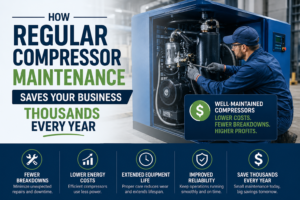
Preventive maintenance is one of the most cost-effective ways to keep an air compressor operating efficiently. Routine inspections and replacing worn components before failure can:
- Reduce unexpected downtime
- Improve energy efficiency
- Extend compressor lifespan
- Lower maintenance costs
- Improve workplace safety
- Maintain consistent air pressure
Ignoring small issues often leads to larger mechanical failures that require more expensive repairs.
1. Low Air Pressure
The Problem
One of the most common complaints is insufficient air pressure. Pneumatic tools may perform poorly, production equipment may slow down, or air-powered systems may fail to operate correctly.
Common Causes
- Clogged air filter
- Dirty separator element
- Air leaks
- Worn pressure regulator
- Faulty pressure switch
The Solution
Replacing clogged air filters and separator elements often restores airflow immediately. If the problem persists, inspect pressure regulators and switches for wear or damage.
Recommended Spare Parts
- Air filters
- Separator elements
- Pressure switches
- Pressure regulators
- Air hoses and fittings
2. Compressor Overheating
The Problem
Overheating can cause automatic shutdowns, reduced efficiency, and permanent damage to internal components.
Common Causes
- Dirty cooling system
- Low compressor oil
- Blocked filters
- Poor ventilation
- Worn cooling fan
The Solution
Replace contaminated filters, use the correct compressor lubricant, and inspect cooling components regularly.
Recommended Spare Parts
- Compressor oil
- Oil filters
- Air filters
- Cooling fans
- Temperature sensors
3. Excessive Oil Consumption
The Problem
If your compressor uses more oil than usual, internal wear may already be occurring.
Common Causes
- Worn oil separator
- Damaged seals
- Incorrect oil
- Internal leaks
The Solution
Replacing separator elements and worn seals usually resolves excessive oil carryover.
Recommended Spare Parts
- Oil separator elements
- Gaskets
- Seals
- Compressor oil
4. Air Leaks
The Problem
Air leaks reduce pressure while increasing energy consumption.
Even a small leak can significantly increase electricity costs over time.
Common Causes
- Damaged hoses
- Loose fittings
- Cracked seals
- Faulty valves
The Solution
Inspect the entire compressed air system and replace leaking components immediately.
Recommended Spare Parts
- Air hoses
- Pipe fittings
- O-rings
- Seals
- Check valves
5. Unusual Noises
The Problem
Grinding, knocking, rattling, or squealing sounds usually indicate mechanical wear.
Common Causes
- Loose belts
- Worn bearings
- Damaged pulleys
- Internal component wear
The Solution
Never ignore unusual sounds. Early replacement of worn components prevents catastrophic failures.
Recommended Spare Parts
- Drive belts
- Bearings
- Pulleys
- Mounting hardware
6. Frequent Compressor Cycling
The Problem
If your compressor starts and stops more frequently than normal, efficiency decreases while wear increases.
Common Causes
- Faulty pressure switch
- Air leaks
- Damaged check valve
- Incorrect pressure settings
The Solution
Replace faulty control components and repair any leaks.
Recommended Spare Parts
- Pressure switches
- Check valves
- Pressure regulators
- Air fittings
7. Dirty or Contaminated Compressed Air
The Problem
Clean compressed air is essential for industries like pharmaceuticals, food production, and healthcare.
Oil, water, or dust contamination can damage equipment and compromise product quality.
Common Causes
- Blocked filters
- Worn separator element
- Moisture buildup
- Poor maintenance
The Solution
Replace filtration components according to manufacturer recommendations.
Recommended Spare Parts
- Air filters
- Oil filters
- Separator elements
- Moisture drains
- Air dryers
8. Compressor Won’t Start
The Problem
A compressor that refuses to start can bring operations to a complete stop.
Common Causes
- Faulty pressure switch
- Electrical failure
- Motor issues
- Blown fuse
- Damaged starter
The Solution
Inspect electrical components and replace faulty switches or motor accessories where necessary.
Recommended Spare Parts
- Pressure switches
- Motor starters
- Electrical relays
- Capacitors
- Fuses
9. Excessive Vibration
The Problem
Excessive vibration shortens the lifespan of compressor components and increases the likelihood of equipment failure.
Common Causes
- Loose mounting bolts
- Worn belts
- Misaligned pulleys
- Damaged bearings
The Solution
Inspect moving parts regularly and replace worn components before they fail completely.
Recommended Spare Parts
- Belts
- Bearings
- Mounting kits
- Anti-vibration pads
10. High Energy Consumption
The Problem
A sudden increase in electricity costs often indicates compressor inefficiency.
Common Causes
- Dirty filters
- Air leaks
- Worn separator elements
- Low-quality lubricant
- Poor maintenance
The Solution
Routine maintenance and replacing worn components restore operating efficiency and reduce power consumption.
Recommended Spare Parts
- Air filters
- Oil filters
- Separator elements
- Compressor oil
- Pressure regulators
How to Choose the Right Spare Parts
Choosing the correct replacement parts is just as important as identifying the problem. Using incorrect or low-quality components can reduce performance and increase maintenance costs.
When purchasing spare parts, always:
- Confirm your compressor’s brand and model.
- Match the original part number whenever possible.
- Check dimensions and pressure ratings.
- Use lubricants recommended by the manufacturer.
- Buy from a trusted supplier with proven product quality.
- Avoid low-cost components that may compromise reliability.
Investing in quality spare parts ensures better performance, longer service life, and fewer unexpected failures.
Preventive Maintenance Tips
Preventive maintenance reduces the likelihood of breakdowns and extends equipment life.
Daily
- Check oil levels.
- Listen for unusual noises.
- Inspect for air or oil leaks.
- Monitor pressure readings.
Weekly
- Clean intake vents.
- Drain moisture from the receiver tank.
- Inspect belts and hoses.
Monthly
- Replace filters if required.
- Check pressure switches.
- Inspect valves and fittings.
Annually
- Replace separator elements.
- Service safety valves.
- Perform a complete compressor inspection.
- Replace worn seals and gaskets.
Following a maintenance schedule can significantly reduce repair costs and improve overall system reliability.
Why High-Quality Spare Parts Make a Difference
Choosing premium replacement parts offers several long-term advantages:
- Improved compressor efficiency
- Lower energy consumption
- Longer equipment lifespan
- Better air quality
- Reduced maintenance costs
- Fewer emergency breakdowns
- Greater workplace safety
While cheaper alternatives may seem attractive, they often wear out faster and can lead to additional damage. Investing in reliable, high-quality spare parts helps protect your equipment and ensures consistent performance.
Why Buy from a Trusted Spare Parts Supplier?
Working with a specialist supplier gives you access to expert advice, high-quality components, and reliable customer support. A reputable supplier can help you identify the correct parts for your compressor, reduce ordering errors, and ensure fast delivery when you need replacements.
Whether you’re replacing filters, separator elements, valves, belts, or lubricants, sourcing your components from a trusted supplier helps keep your compressor operating at peak efficiency while minimising costly downtime.
Final Thoughts
Air compressors are essential assets for businesses across many industries, but even the most reliable machines require ongoing maintenance. Recognising the early signs of common compressor problems and replacing worn spare parts before failure can save thousands in repair costs and prevent costly production delays.
From clogged air filters and leaking seals to worn belts and faulty pressure switches, most compressor issues have straightforward solutions when addressed promptly. A proactive maintenance strategy, combined with high-quality replacement parts, not only extends the life of your compressor but also improves energy efficiency, reduces downtime, and enhances operational reliability.
By partnering with a trusted spare parts supplier and following a regular maintenance schedule, you can keep your compressed air system running smoothly, protect your investment, and ensure your business continues to operate without interruption.